
May gardening is one of the most rewarding months for gardeners across the UK. With longer days, warmer temperatures, and nature bursting into life, the garden becomes a hive of activity. It’s a pivotal month for sowing, planting, and setting up your garden for a productive summer ahead. But with so much to do, it can be hard to know where to focus your energy.
Plant Out Tender Crops
May usually marks the end of frost risk in most parts of the UK, making it the ideal time to plant out tender crops that were started indoors earlier in the year. These include tomatoes, courgettes, runner beans, French beans, sweetcorn, and squash. If you’ve raised these from seed on a windowsill or in a greenhouse, they’re now ready to be moved to their final positions.
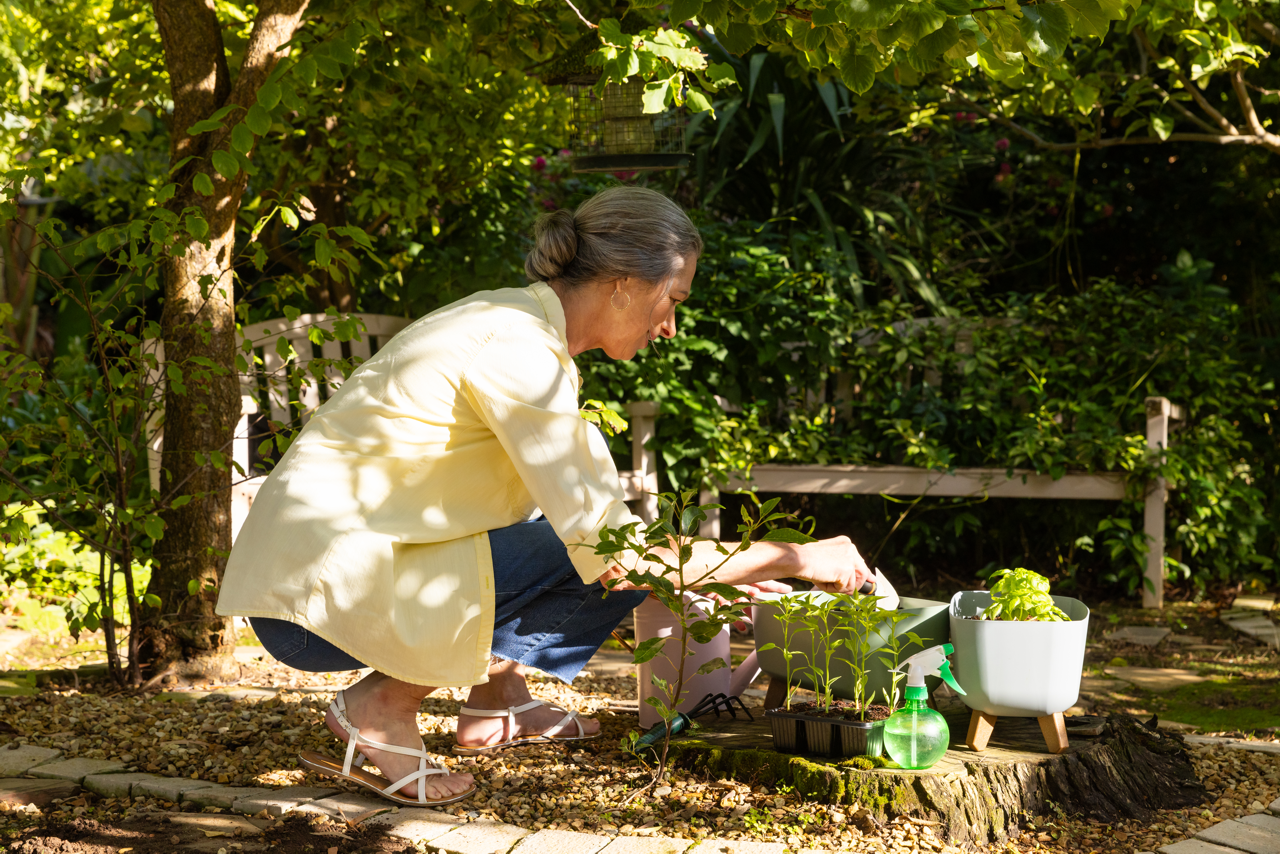
Choose a mild day for planting, ideally with cloud cover or in the late afternoon to avoid stressing young plants. Water them well after planting, and consider using cloches or fleece for a few days to help them settle into their new environment.
Sow Fast-Growing Seeds
With soil temperatures now rising steadily, May is a brilliant time to direct-sow a range of fast-growing vegetables straight into the ground. Salad crops such as lettuce, rocket, radishes, and spring onions can be sown little and often for a continuous harvest throughout the summer. Carrots, beetroot, turnips, and chard can also be sown now.
Make sure to prepare the soil by raking it to a fine tilth, and keep newly sown areas moist to aid germination. Successional sowing every few weeks will help you enjoy a steady supply rather than a glut all at once.
Harden Off Seedlings
Any seedlings or young plants that you’ve grown indoors or in a heated greenhouse need to be gradually acclimatised to outdoor conditions – a process known as ‘hardening off’. Sudden exposure to the elements can cause shock, so it’s important to do this over a 7–10 day period.
Start by placing your plants outside in a sheltered, shaded spot during the day, then bring them back in at night. Gradually increase their time outside and introduce them to more sun and wind exposure. By the end of the hardening-off period, your plants will be ready to thrive outdoors.
Deadhead Spring Flowers
As spring bulbs such as daffodils, tulips, and hyacinths begin to fade, it’s important to deadhead them by removing the spent flowers. This stops the plant from putting energy into seed production and instead directs it towards storing energy in the bulb for next year’s display.
However, resist the urge to cut back the foliage until it has turned yellow and withered naturally. This green growth is essential for photosynthesis, which recharges the bulb for the following spring.
Support Climbing Plants
Climbers such as sweet peas, clematis, honeysuckle, and beans grow rapidly at this time of year and need support to prevent them from flopping over or becoming tangled. Install trellises, wigwams, netting, or canes where needed, and gently tie the plants in as they grow.
Use soft ties or twine to avoid damaging the stems. Keeping climbers well-supported not only improves their appearance but also helps air circulation and reduces the risk of disease.
Weed Regularly
With longer days and warmer weather, weeds can quickly take hold and compete with your cultivated plants for water, nutrients, and light. May is the perfect time to get on top of them before they become established.
Make weeding a regular part of your routine – ideally once or twice a week. It’s easier to remove weeds when they’re small, and if you catch them before they set seed, you’ll prevent thousands more from sprouting later in the season. Hoeing is a quick and effective method for larger areas, while hand weeding is best for getting in among borders and delicate plants.
Mulch Beds and Borders
Applying a layer of mulch around your plants is a great way to conserve moisture, suppress weeds, and improve soil quality. In May, the soil is warm and moist – ideal conditions for mulching.
You can use a variety of organic materials, such as compost, bark chips, leaf mould, or well-rotted manure. Spread it around the base of plants, taking care not to pile it up against the stems. Mulching not only saves you time on watering and weeding but also improves soil structure and feeds beneficial microbes.
Feed Hungry Plants
As plants enter their main growing phase, they need extra nutrients to support strong growth, flowering, and fruiting. May is the time to begin a regular feeding regime, especially for container plants, roses, fruit bushes, and vegetables.
Use a balanced, general-purpose fertiliser for most plants, or opt for a feed tailored to their specific needs – for example, a tomato feed high in potassium for flowering and fruiting crops. Always follow the recommended application rates, and try to feed on a calm, damp day or water in afterwards to prevent root burn.
Mow the Lawn Regularly
Lawns can grow at a rapid pace in May, so regular mowing is key to keeping them neat and healthy. Aim to mow once a week, or more frequently if the grass is growing quickly. Set your mower blades slightly higher than usual to avoid scalping and allow the grass to retain moisture during dry spells.
Now is also a good time to edge your lawn, reseed bare patches, and apply a lawn feed to encourage lush growth. If you prefer a more wildlife-friendly approach, consider leaving some areas uncut or mowing paths through longer grass to support pollinators and biodiversity.
Check for Pests
As the garden comes alive, so too do many common pests. Slugs and snails are particularly active in damp weather, and aphids begin to colonise new growth on roses, beans, and fruit trees. May is also when vine weevils, lily beetles, and caterpillars start to appear.
Inspect your plants regularly and take early action if you spot any signs of trouble. You can remove pests by hand, introduce beneficial insects like ladybirds, or use organic treatments such as nematodes or insecticidal soap. Keeping your plants healthy and well-fed will also make them more resilient to pest attacks.
Final Thoughts
May is a joyful and energising month in the garden. The promise of summer lies ahead, and everything you do now sets the tone for the months to come. Whether you’re planting crops, tending flowers, or simply enjoying the longer evenings, there’s no better time to be outdoors.
By focusing on these ten essential tasks, you’ll give your garden the best chance to thrive this season – and you’ll set yourself up for a beautiful, bountiful summer.
Happy gardening!